Design is an ever-evolving conversation between decades, styles, and personal taste. Trends come and go, and you can often spot them in homes—the rise of shiplap, the timeless appeal of subway tiles—elements that sweep across interiors and become almost ubiquitous. Yet, while trends can refresh a space, honoring the legacy of a home is key to creating balance. Without that consideration, even the most beautiful design choices can feel out of place.
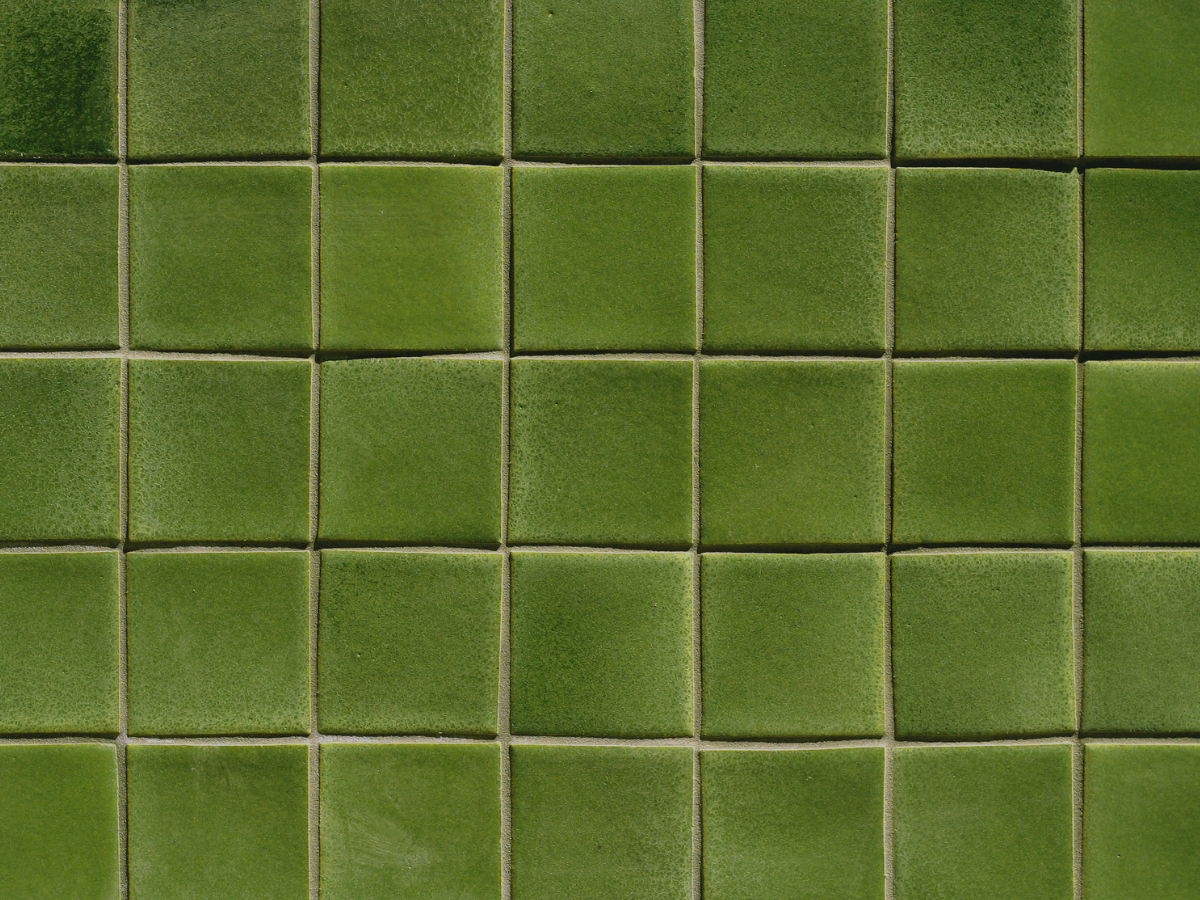
One trend that has captured attention recently is Zellige tile. Its glazed, organic surfaces, full of variation and imperfection, exude handcrafted charm. That very irregularity is what gives it personality and depth. But here’s the catch: context is king.
The Risk of Misapplied Beauty
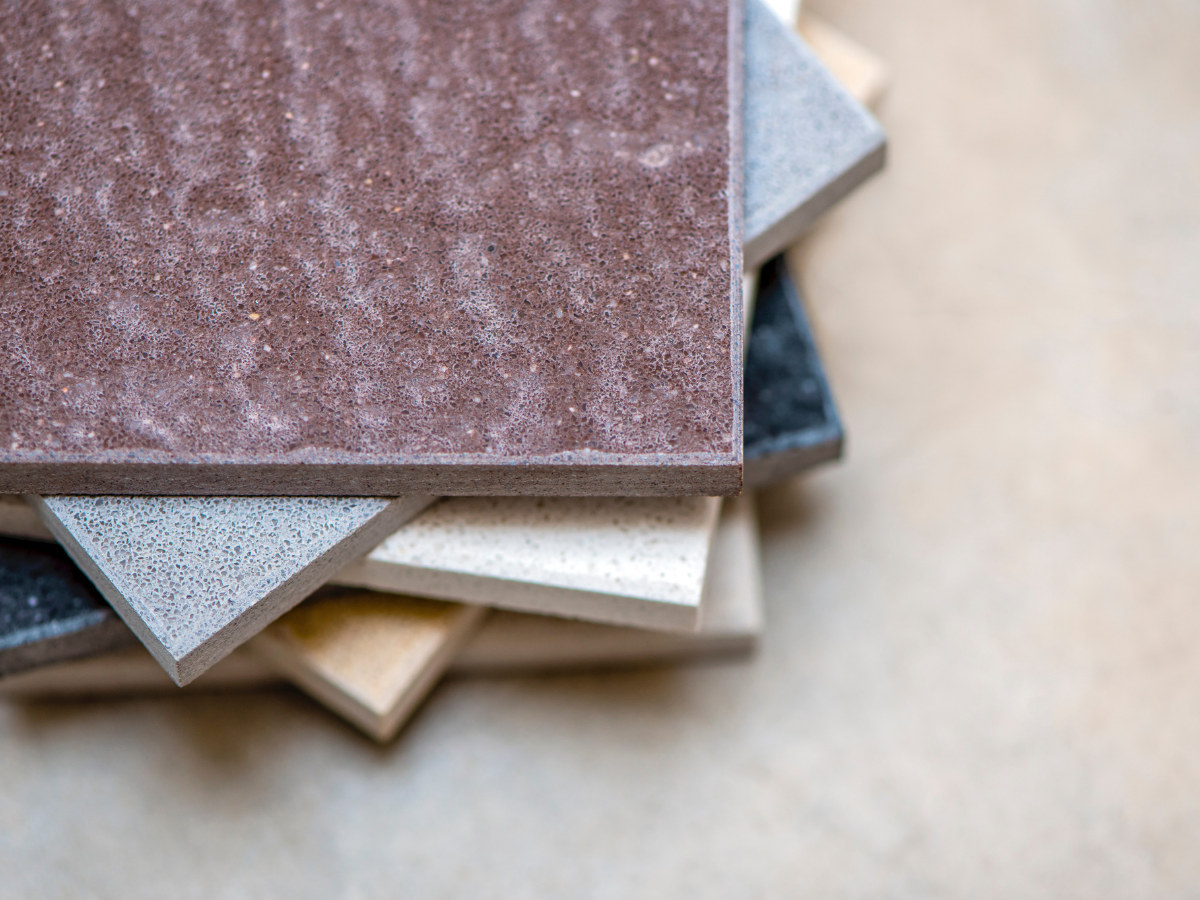
Zellige’s handcrafted, irregular nature can feel discordant in spaces that are otherwise crisp, symmetrical, and polished. In many contemporary suburban homes—those highly refined new builds with clean lines and modern finishes—introducing a material so tactile and old-world can interrupt the flow rather than elevate it.
When applied in the wrong context, Zellige risks becoming more of a fleeting trend than a natural extension of the home’s architecture. You almost “timestamp” the moment it was installed, and instead of feeling timeless, it can quickly feel dated.
Where Zellige Shines
The true magic of Zellige comes alive in older homes, spaces with European or historically textured architecture, or interiors that celebrate imperfection and organic forms. Here, the tile doesn’t fight the architecture—it complements it, adding depth, warmth, and authenticity.
In Colorado, where European-style homes are less common, it’s especially important to consider whether the material will harmonize with the home’s character. When done right, Zellige can create a sense of history and handcrafted elegance that transcends trends.
Bottom Line
Trends like Zellige tile are undeniably beautiful, but design is about more than aesthetics—it’s about fit, flow, and context. Before introducing a striking element into your space, consider how it interacts with the home’s architecture. A timeless home honors both its past and its present, creating a design that doesn’t just look good today but feels right for decades to come.